
The Brief History of Iloilo
The history of Iloilo must have begun in the 13th century upon the arrival of ten Bornean datus near the Siwaragan River, a coastal town now known as San Joaquin, Iloilo. Not much has been said and written about that until the 16th century during Spanish settlement.
Accordingly, the Spaniards first settled in a coastal town called Ogton (now Oton) in 1566, and then feeling unsafe the Spaniards moved to La Villa Rica de Arevalo, another coastal town which proved to be no safer for them than the previous one. So the Spaniards kept on moving, journeying along the length of the river until they reached the village of Irong-Irong, named as such because of its nose-like shape.
For many centuries thereafter, the Spaniards occupied the Philippines, and the province. Then the Americans came at the close of the 20th century and decades after, the Japanese. But the people in Iloilo fought hard for their independence, and finally in 1945, helped to liberate their beloved province from Japanese rule.
Geography
Iloilo is somewhere close to the heart of the Philippine archipelago. It forms part of the Island of Panay, an island which as a whole resembles an image of a lady bowing, as if praying. Iloilo is surrounded by Antique Province to its west and the Province of Capiz to its north. Between Capiz and Iloilo are rugged mountain ranges, many of them as high as 7,000 feet. Up on the western part are highlands and the rest are plains, islands, and islets.
Climate: The Two Seasons in Iloilo
Iloilo, being a part of a tropical country, has two seasons – the dry or the summer season and the wet or rainy season. Summer in Iloilo officially begins in March with temperatures peaking up to 35 in April and May. Around this time, it can be very dry, humid, and extremely hot.
The months of June to October are rainy. Storms and typhoons come and go, some devastating, others not. You’d think the Ilonggos are used to these by now, but nothing prepared them for the fury of Typhoon Frank, the typhoon that submerged the City of Iloilo and many towns in the province in dark, muddy waters, the typhoon that ravaged many homes, possessions, and lives in June of 2008.
By November, rain generally stops, and residents and tourists on vacation in Iloilo enjoy cooler temperatures until February.
The Ilonggos
The Ilonggos are typically friendly people. The women, especially those from the towns, are described to be soft-spoken and demure in their ways. They can be proud without being boastful, shy but not socially withdrawn, humble but not naïve, and feisty but oftentimes within reason. And yes, they are people with many talents, too. There are many Ilonggos who have made it big in the world of politics and showbusiness, among them Fernando Lopez (former Vice President of the Philippines), Franklin Drilon (senator), Miriam Defensor Santiago (senator), Jose Marie Chan (singer/composer), and Jed Madela (world-class singer).
The Hiligayon Language
Hiligaynon is the main language spoken by the Ilonggos. It is an Austronesian language noted for its sing-song intonation. Some Ilonggos, particularly those from the northern and southern parts and in mountainous regions, speak Kinaraya. Most Ilonggos are able to speak and understand Tagalog and English, so communication is basically not a problem in this province at all.
Embracing Technology
Yes, Iloilo embraces technology, too. Internet providers in Iloilo are many and they come in all budget sizes. Internet cafes can be found in close proximity to schools and universities, and most hotels and even malls have Wi-Fi internet connection, too. Needless to say, when booking or making reservations in a hotel, find out for sure what type of internet connection is available and the extent to which you can make use of it.
Places to Visit In Iloilo

- The Iloilo Customs House, Iloilo City. Built during the 19th century by the Americans, the Iloilo Customs House at Muelle Loney and Aduana Streets, takes pride in the fact that it is the second largest customs building in the Philippines and that it has clearly withstood the test of time. The tower which rises at the center of the building, from which you can see the beautiful Iloilo River which almost never sleeps from the continuous comings and goings of boats.
- Arroyo Fountain, Iloilo City. A landmark in the City of Iloilo, the Arroyo Fountain, built in 1927, sits at the center of Iznart and General Luna Street. Dedicated to the late Senator Jose Ma. Arroyo, this water fountain which holds four images of nude goddesses, each holding a fish, is the reference point for the entire Panay Island.
- Jaro Belfry, Iloilo City. A three-story tower made of bricks and corals, the Jaro belfry stands majestically right on the Jaro Plaza, across the Jaro Metropolitan Cathedral. Built in 1744, this magnificent structure features statues of Catholic saints and bells. Damaged by an earthquake centuries ago, the belfry was restored in the 1990s, still imposing as ever.
- Museo Iloilo, Iloilo City. Museo Iloilo houses collections upon collections of artifacts and artworks, pieces of jewelry, pottery, and other mementos that depict the rich and colorful cultural history of Iloilo. Stepping into Museo Iloilo is like stepping into Iloilo’s glorious past.
- TayTay Tigre, Guimbal, Iloilo. Built by Augustinian priests during the Spanish rule, the small 4.5-meter bridge, also known as the Spanish Arch Bridge, has become a tourist attraction.
- Chameleon Butterfly Garden, Passi City, Iloilo. Anybody who loves butterflies should not miss the Chameleon Butterfly Garden. Located in Barangay Sablogon, Passi City, Iloilo, the garden houses various species of butterflies.
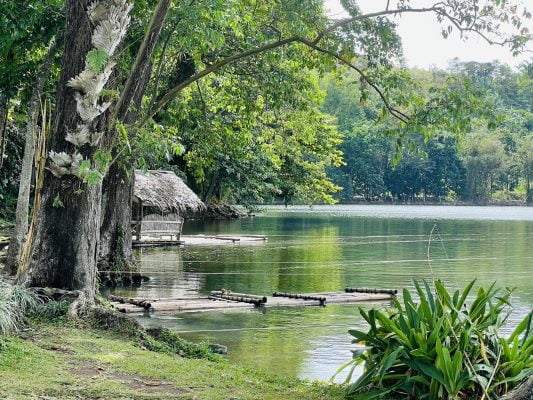
- Lake Bito, Dingle, Iloilo. Close to the Bulabog Mountain, Lake Bito is a refreshing getaway from the hustle and bustle of city life. It offers plenty of activities for locals and tourists alike, such as trekking, hiking, swimming, and dining.
- Bulabog Puti-an National Park, Dingle, Iloilo. Bulabog Puti-an National Park which houses 13 caves among others is a dream come true for nature enthusiasts. Trees surround the park, keeping it cool throughout the day.
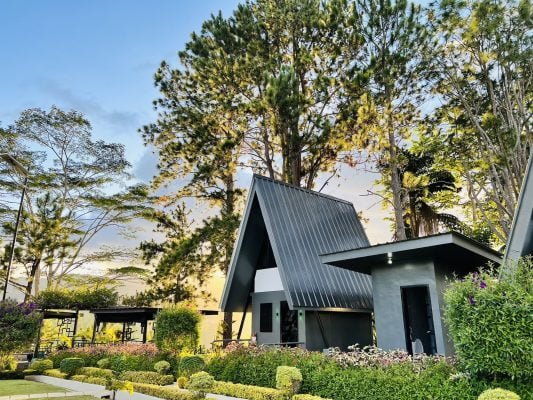
- Casa Fiammetta, Barotac Nuevo, Iloilo. 28 kilometers from the city of Iloilo, in the town of Barotac Nuevo, is the Adirondack architecture-inspired 5-hectare inland resort which would be equestrians could very well call “home”. If horseback riding is your passion, make time to visit Casa Fiammetta while in Iloilo.
- Mount Manaphag, Concepcion, Iloilo. Mount Manaphag sits on an island accessible by pump boat. At just 2,900 above sea level, Mount Manaphag is not the tallest peak in Iloilo, but clearly one of the most interesting with its white, sandy beaches, crags, hills, and steep inclines.
Church Hopping in Iloilo
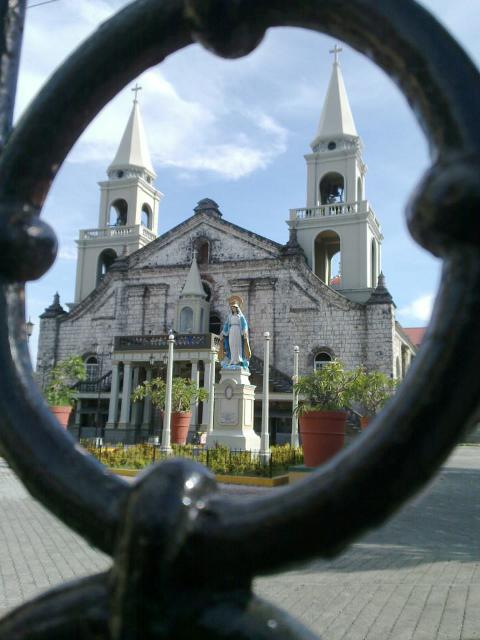
- The Jaro Cathedral, Iloilo City. One of the oldest churches built in the 19th century, the Jaro Metropolitan Cathedral has tourists and non-tourists come and go, not only because of its interesting structure, magnificent interiors and façade, but also because this is where one finds the miraculous statue of the Madonna and Child encased in a glass, the statue that is said to have grown bigger and taller through the years.
- La Paz Church, Iloilo City. Built in 1870, the rectangular-shaped La Paz Church takes on a Neo-Classical look, with bricks making a large part of it, dark brown hues providing depth, and pillars and window frames in white adding a touch of class.
- Molo Church, Iloilo City. One of the most impressive-looking churches in Iloilo, Molo is Gothic and Romanesque-inspired. It boasts of awe-inspiring artwork, a magnificent altar, and 16 female statues.
- Guimbal Church, Guimbal, Iloilo. Also known as San Nicolas of Tolentino Church, the Baroque-inspired Guimbal Church was built in 1774 during the reign of Fr. Campos, a Spanish Priest.
- Miagao Church, Miagao, Iloilo. A UNESCO World Heritage site, Miagao Church was built at the close of the 18th century to provide Ilonggos a place to worship God. Medieval and Muslim arts are evident in the façade as well as the interior of the church.
Festivals and Sounds

January
Dinagyang Festival, Iloilo City. The world-famous Dinagyang Festival is a must-watch. Schedule your vacation to ensure you are in Iloilo City on the fourth Saturday and Sunday of January to witness and experience how Ilonggos give honor to Senor Sto. Nino with cultural dances, drumbeats, and colorful costumes.
February
Salakayan Festival, Miagao, Iloilo. The Salakayan Festival, held during the first week of February, is a week-long activity that highlights the customs, traditions, arts, delicacies, agricultural products and everything Miagao is known for. Quite interesting to watch are the Hablon and Patadyong Fashion Show, the painting exhibit, the fluvial parade, and the Higante parade where you can see gigantic mascots parading the streets.
Paraw Regatta, Villa, Iloilo City. Tourists, locals, and sailboat enthusiasts gather at Tatoy’s Manokan, Villa, Iloilo City, to witness another colorful festival, the Paraw Regatta. Held during the third Sunday this festival brings about many exciting activities, such as the sailboat race along the strait of Guimaras-Iloilo, Pinta Paraw, Pintawo (body painting contest), and Miss Paraw Regatta.
May
Carabao Carroza Race, Pavia, Iloilo. The Carabao Carroza Race held in Pavia as part of its fiesta week celebration in May is exactly what it sounds – a 400-meter race that have carabaos as participants!
Santacruzan Festival. Also being held in May (usually at the end of the month) in practically every part of the country, not just Iloilo, is the Santacruzan Festival, which features a grand procession of ladies in beautiful gowns carrying huge arches.
November
Cry of Sta. Barbara, Sta. Barbara, Iloilo. Ilonggos celebrate the Cry of Sta. Barbara every November 17, a commemoration of the first cry for revolution against the Spaniards.
Food Tripping in Iloilo
Only in Iloilo will you experience some of the most affordable and best-tasting (but unfortunately heart-clogging?) dishes. Here’s a shortlist of restaurants where you can dine and not whine:
- Decos, Delgado Street, Iloilo City for a taste of authentic La Paz Batchoy.
- Roberto’s, JM Basa Street, Iloilo City for a taste of the famous Queen Siopao.
- Tatoy’s Manokan, Villa, Iloilo City. Its native chicken and lechon will leave your palate jumping for joy.
- Breakthrough, Villa, Iloilo City. This restaurant by the sea is famous for its delicious seafood dishes, particularly the Aligue Rice and the Baked Talaba (oysters).
There are so many fun things to do in Iloilo at any time of the year. After sightseeing, church-hopping, or food tripping, make time to engage yourself in a conversation with a true-blue Ilongga so you will leave Iloilo with a bagful of wonderful memories and a desire to come back again and again or for good.