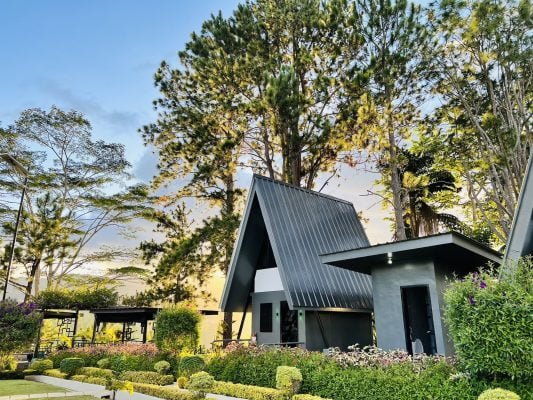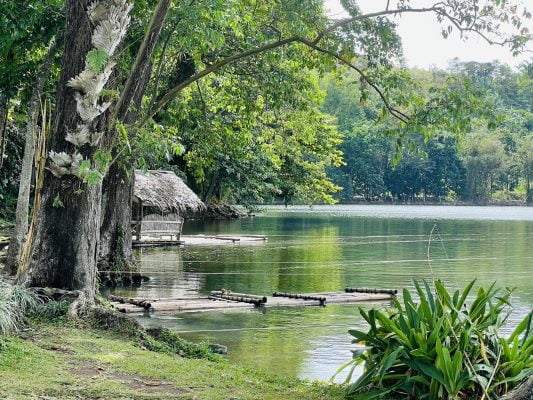
The Philippines is one of the most beautiful and exciting countries in Asia. Its beaches in the 7,107 islands, when combined, make up one of the longest and most stunning shorelines in the world. For most foreigners, the Philippines is a paradise teeming with outdoor adventures and idyllic escapes. There’s also wonderful food, rich culture, and friendly people. The low cost of living in the Philippines and its natural beauty attracts millions of tourists from all over the world.
More often than not, tourists who have visited the Philippines fall in love with the islands. Some to the point where they decide to relocate somewhere in the archipelago. It is not only beautiful in the Philippines, but it is also cheap to live in its cities, much cheaper in the provinces. The cost of living in the Philippines is staggeringly lower than most major cities in the world. This is mainly the reason why a lot of westerners choose to retire or relocate here.
Affordable Cost of Living in the Philippines

Being the center of government, trade and commerce in the country, Metro Manila is expectedly more expensive than other major cities like Cebu and Davao. More so, the cost of living in Manila is significantly higher than in the lesser-developed provinces in the country. This being the case, more and more expats opt to live outside of Manila, buying or renting properties in cities with enough modern amenities but with lower costs of living.
Take the cities of Cebu and Davao as examples. According to the Mercer Cost of Living Report for 2020, Metro Manila ranks as the 80th most expensive city for ex-pats to live in the world. The capital city ranked 109th in 2019. Metro Cebu and Metro Davao did not even make it to the list.
Manila and Cebu are both industrialized, therefore expensive. Davao City, however, is significantly cheaper than the two. While Davao is a highly-urbanized city with all the amenities required for comfortable living, it is not as expensive as Manila and Cebu.
Rent, Housing and Utilities

A huge chunk of the cost of living in the Philippines goes to rent or mortgage of a house. Manila properties are very expensive due to overpopulation and demand. Living in the metro is often not ideal if you are seeking a quiet life. Rent in the city center can cost as high as a thousand dollars if you opt for high-end condos in key areas. On the other hand, rent is half of that in Davao City.
Foreigners are not allowed outright ownership of land in the Philippines. However, they are allowed to purchase condominium units provided that the majority of the residents in the building are Filipinos. . While this sounds unfair, the rule serves to protect the local population. Most foreigners, if married to a Filipino, purchase a property under the spouse’s name. The price for an apartment in Metro Manila is also at $1000 or upwards per square meter.
A monthly electricity bill usually reflects about P5000 if air conditioning is used in a residential unit, a quarter of the amount is charged if there’s none. Water (tap water) consumption costs between P300-P500 a month. An 11-kilo tank of gas for cooking costs between P750-P800 depending on the global prices of petroleum. If you’re subscribed to cable TV, P500-P1,500 should be added to the monthly budget. Stay-in house help is paid a minimum of P3500-P6000 in Metro Manila and about P2500-P4000 in Davao City.
Food and Beverage

Another significant portion of your monthly budget goes to food and beverage. While it is tempting to eat out more because of the cheap cost of living in the Philippines, it adds up. A combo meal at a local fast food (McDonald’s, Jollibee, KFC, etc.) costs about $3 while a liter of Coke cost a little more than half a dollar. These prices are true across the country but if you’re going to eat a three-course meal at a gourmet restaurant, prices may significantly differ. Comparing Manila and Davao City, a meal for two in Manila costs $20 while it only costs $15 in Davao City. Furthermore, drinking water takes up a considerable portion of the budget in Manila. In Davao City, tap water is potable so drinking water is basically free.
To avoid overspending on food, it is advisable to prepare your own meals. It is also better to buy raw foodstuffs in a public market instead of supermarkets or grocery stores. Prices in supermarkets are double that of prices in a local public market. In grocery stores, the price of your goods will also cover the rent and utilities of the store. Case in point: a kilo of potatoes in a public market costs P90 (about $1.95) and P200 ($4) in a supermarket. It also helps that haggling of prices in public markets is the norm while prices in supermarkets are fixed.
Transportation

There are many forms of transportation in the Philippines and it is quite easy to get from point A to B especially in large cities. However, because of the large number of motorized transportation, traffic is extremely heavy. In fact, Manila has one of the busiest, most congested, and most frustrating rush hours in the world. Owning a car is pretty expensive in the Philippines; the purchase itself does not require a huge sum but insurance, maintenance, and fuel costs add up. It’s easier and more convenient to use public transportation. In Manila, there are jeepneys, taxis, city buses, MRT and LRT that make going around easier.
A jeepney ride costs P10 for the first four kilometers with increments of P2 for each succeeding kilometer. The flag down rate for a metered taxi is at P40 and increases by about P18 per kilometer. Bus fare is about P15 pesos for the first 5 kilometers. These rates are applicable to Metro Manila and may slightly decrease in other cities. Renting a car is also an option especially for those who want more reign on their daily itineraries. A cheap rental is at P2000 ($47) per day or P1500 ($35) per day if rented for a week.
If you are headed to other places outside of Manila, catching a flight with a domestic airline is easy, convenient, and affordable. Domestic carriers often hold seat sales to different destinations all over that Philippines and taking advantage of these deals allows you to save as much as 70% off of the original fare. Philippine airports are modern and clean so it’s never hard to travel between the islands. Naval vessels also take passengers and cargo to different parts of the archipelago.
Clothing and Personal Needs

Clothing and textile are relatively cheap even in Manila. In places like Divisoria and Tutuban, a basic shirt may cost a meager P100 ($2) and a decent pair of denim pants around P500 ($10). However, if you buy in upscale malls and department stores, these prices may double or even triple.
Prices for clothing may decrease in other parts of the Philippines and foreigners often head south for indigenous fabrics and accessories at fairly cheap prices. Other necessities like deodorant, bath soap, shampoo, toothpaste, and detergents are pretty cheap; each item does not cost more than P100.
Entertainment and Leisure

Being a country visited by millions annually, the Philippines has heavily invested in entertainment and recreation. As a result, there are many theme parks, museums, concert areas, and other venues for entertainment in major cities. Government-run museums in the Philippines charge little or nothing but donations are accepted. Private museums, however, charge entrance fees which usually cover guided tours and activities.
Almost every major mall in the Philippines has cinemas showing both local and international movies. IMAX theaters are available in a number of super malls in Metro Manila, Angeles, Cebu, and Davao. Regular movie tickets for two in Manila costs around P500 ($10) while it costs P300 ($6) in Davao City. Concert tickets vary depending on who is performing; if the artist is from abroad (Lady Gaga, Nikki Minaj, Justin Bieber, etc.), premium tickets can cost as much as P15,000 ($357).
There are several theme parks that offer excellent places for bonding with the family at affordable prices. Two that are located close to Manila are Star City and Enchanted Kingdom. Ride-all-you-can passes to these parks range from P400-P500 ($8-$10) during weekdays. These rates can increase slightly during weekends and special holidays.
Communication

There are two mobile telecommunications giants in the Philippines, Smart Communications and Globe Telecom. Both cater to the text and social media-crazy Filipinos all over the country. There are at least four other networks but these are all subsidiaries of the giant companies. In addition to messaging and voice calls, these networks also provide Internet service in most areas in the Philippines.
A text message of 160 characters sent anywhere in the country costs a peso while the standard call rate per minute is P6.50. These rates are made cheaper through unlimited text and call promos that cost about P300 ($6) per month. International rates stand at about P15 per text and $.40 per minute for voice calls. Postpaid plans are available and affordable through the major networks and these plans usually come with cell phone units from big manufacturers like Samsung, Apple, and Huawei. The cheapest postpaid (sim only) plan costs around P300 a month.
Internet
Internet connection in the Philippines is not as fast as in the United States but it is pretty reliable and the speed is quite decent. At an average speed of 3mbps, most Filipinos are able to perform Internet tasks such as video streaming, downloading, surfing, and online gaming. The most expensive Internet plan costs about P3,000 ($60) for a 100mbps fiber-optic connection. Unlike the cheap cost of living in the Philippines, internet connection is quite expensive in the country. Those who would rather not subscribe to Internet plans may look up WiFi hotspots in the city center or go to an Internet shop. An hour of surfing at an Internet shop costs between P10-P30.
Electronics
Cell phones, tablets and personal computers can be bought in most shopping centers in the Philippines. Prices of electronics may be higher in the country compared to other industrialized cities because of importation costs. The availability of new gadgets like the latest iPhone is usually months behind the actual introduction of the product.
To sum it up, the cost of living in the Philippines is very low compared to western cities. In fact, most consider it dirt cheap to live in the Philippines. While this may be true, the ultimate costs still depend on one’s lifestyle and spending habits. Just like living in your own countries, you still pay taxes for properties and goods purchased. It may be very tempting to indulge in all of life’s pleasures while in the Philippines knowing that everything is cheap. Keep in mind, though, that when expenses add up, you might end up spending more than you intend to or worse, more than you can afford.
If you stick to simple living and constantly look for ways to save, you can live comfortably in the Philippines for $1000 a month. This amount will already allow you to rent a medium-sized apartment, buy furniture and pay for utilities. You can also go around, shop some, eat at home, or in restaurants every now and then and save for a vacation. Again, living in the Philippines is cheap, that is if you don’t overspend.